
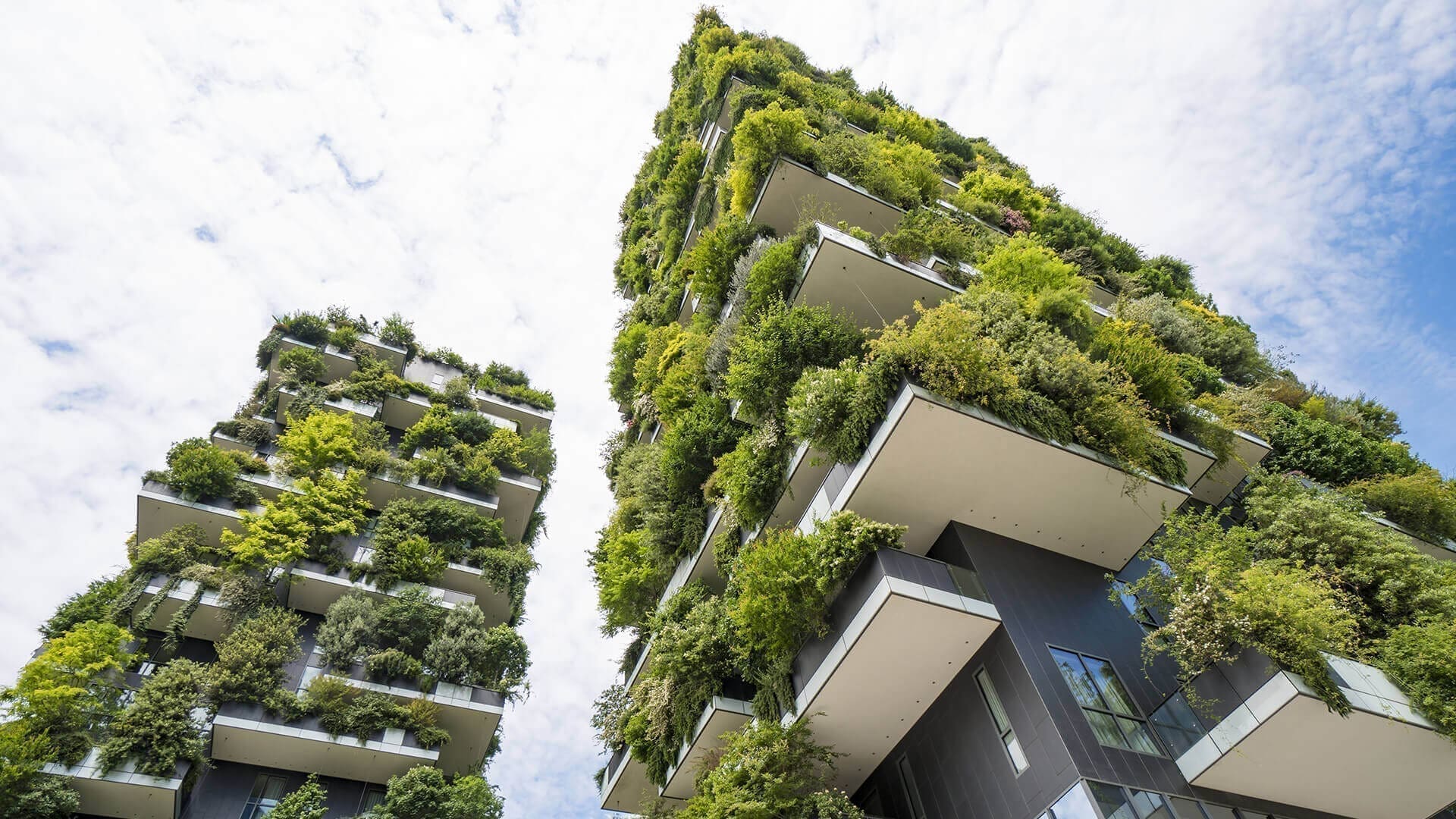
The global construction industry stands at a crossroads. On one side sits traditional practice: concrete, steel, carbon, and waste. On the other lies the urgent promise of net zero. Australia has committed to reducing emissions by 43% by 2030 and achieving net zero by 2050. The built environment, which accounts for nearly 40% of global energy-related carbon emissions, is ground zero for this transformation. There is a problem, the people who know how to build sustainably simply do not exist in sufficient numbers.
The Green Skills Gap Is Here
According to the Australian Government’s 2024 Skills Priority List, “green skills” across construction, energy, and infrastructure are now in critical shortage. Roles requiring expertise in low-carbon materials, energy-efficient design, and sustainable procurement have seen demand grow three times faster than the general workforce. Infrastructure Australia’s 2025 report further notes that sustainability competency is no longer “nice to have”, it is a contractual requirement on major public projects, with ESG outcomes increasingly tied to funding and approval.
Yet the pipeline of project managers trained to deliver these outcomes remains dangerously thin. Most construction professionals understand sustainability conceptually. Far fewer know how to lead a team through a low-carbon retrofit, select sustainable procurement routes, or manage stakeholder expectations around net zero deliverables.
A Programme Built for the Green Economy
The Construction Project Management MSc from London Metropolitan University, delivered in partnership with NEXT, has embedded sustainability not as an add-on but as a core thread throughout its 16-month curriculum. This is not a traditional construction degree with a green lecture tacked on. It is a leadership programme designed for the post-carbon world.
Sustainable Built Environments forms the environmental spine of the course. Students explore climate change, urbanisation, energy reduction strategies, and the critical role infrastructure plays in energy security. They learn to evaluate the built environment’s true impact and identify practical drivers for change. In an era where Australian states are racing to install renewable energy zones and upgrade ageing grids, this knowledge translates directly into employability.
Procurement and Contract Practice takes sustainability into the legal and commercial realm. Students examine ESG (Environmental, Social, and Governance) criteria, digital tools for sustainable sourcing, and how standard form contracts are evolving to penalise carbon-heavy choices. With major infrastructure clients like Transport for NSW and Major Road Projects Victoria now requiring net zero supply chain plans, this module gives graduates a competitive edge in bidding and delivery.
Even modules not explicitly named “sustainable” carry the same thread. Project Management Principles requires students to evaluate sustainability within project economics and lifecycle planning. Managing Risk and Uncertainty includes climate risk and regulatory change as core uncertainties. Building a Successful Project Team addresses corporate social responsibility and ethical decision-making, skills increasingly demanded by communities, investors, and government panels.
The Applied Research Project: Real Solutions for Real Problems
Perhaps most valuable is the Applied Research Project, a dissertation module that allows students to investigate a genuine built environment challenge. For sustainability-focused students, this could mean analysing carbon reduction on a live construction site, developing a green procurement framework for an employer, or modelling energy performance for a social housing project. This is not theoretical research. It is portfolio-building evidence of green leadership.
Accreditation That Signals Credibility
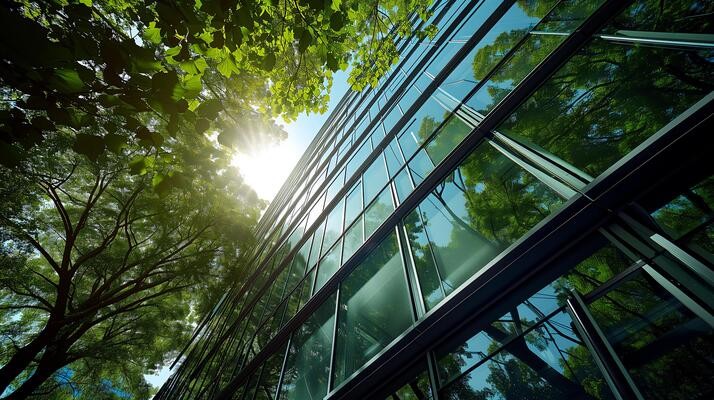
Employers in the green economy are wary of “greenwashing.” They need proof that a candidate genuinely understands sustainable practice. Accreditation from RICS, APM, CIOB and CABE provides exactly that proof. These bodies have all embedded sustainability into their professional standards, meaning graduates arrive certified in the competencies that net zero projects demand.
Your Career in the Green Boom
Australia’s infrastructure pipeline is now shaped by climate policy. The $242 billion public programme includes massive investment in renewable energy transmission, sustainable transport, and climate-resilient housing. The Brisbane 2032 Olympics has pledged to be a climate-positive games. Every single one of these initiatives needs project managers who can deliver on time, on budget, and on carbon targets.
The green skills gap is not closing on its own. It is widening. For construction professionals, engineers, or graduates who want to lead rather than follow, the MSc Construction Project Management offers a direct route into the fastest-growing segment of the industry. Sustainability is no longer a niche. It is the new standard. And those who master it now will build the careers, and the planet that future generations deserve.
Apply now – https://bit.ly/londonmet-applynow