
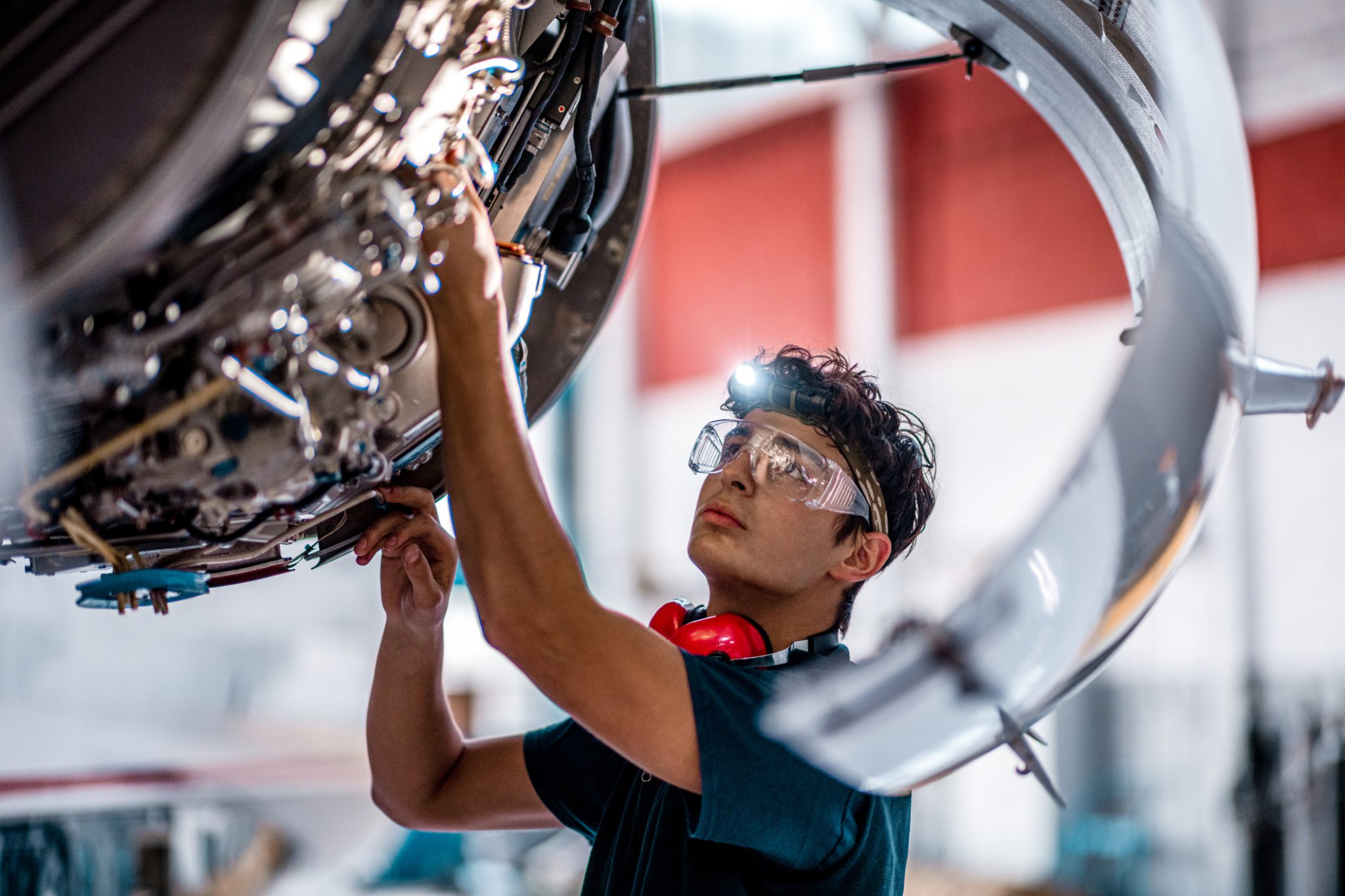
The aviation industry is entering a period of rapid expansion and technological transformation, placing aircraft maintenance at the heart of operational safety and efficiency. According to industry insights from FL Technics, the global aviation sector is projected to surpass $1000 billion, while the Maintenance, Repair, and Overhaul (MRO) market is expected to reach $156 billion over the next decade. This growth is driven by increasing flight demand, aging aircraft fleets, and the rising trend of outsourcing maintenance services.
At the same time, digital transformation is redefining how maintenance operations are conducted. Modern aircraft engineers are no longer limited to mechanical expertise alone, they are required to operate at the intersection of engineering, data, and technology. Tools such as predictive maintenance, advanced diagnostics, and data-driven decision-making are becoming essential in ensuring operational reliability.
However, the industry faces a significant challenge. With an estimated 716,000 new maintenance technicians needed by 2042, the demand for skilled professionals is rapidly increasing. More importantly, there is a growing need for individuals who can combine technical engineering knowledge with management capabilities to oversee complex maintenance systems and lead high-performing teams.
The Shift Toward Engineering Management in Aviation
As aviation systems become more advanced and interconnected, the role of engineers is evolving. Organizations are now seeking professionals who can go beyond technical execution and contribute to strategic decision-making, operational planning, and leadership.
Key competencies required in today’s aviation maintenance environment include:
- Managing aircraft maintenance operations and planning
- Ensuring compliance with aviation safety and regulatory standards
- Leading engineering projects and multidisciplinary teams
- Implementing quality assurance and performance optimization
- Making strategic decisions in high-pressure operational environments
This shift highlights a critical gap in the industry, one that can only be addressed through specialized education that integrates both engineering and management.

Bridging the Gap Between Engineering and Leadership
To meet these evolving industry demands, the BSc (Hons) Aircraft Engineering Management (Top-Up) offered by NEXT Education Group in partnership with London Metropolitan University is specifically designed to prepare the next generation of aviation professionals.
This programme bridges the gap between technical aircraft engineering knowledge and management expertise, enabling students to transition into leadership roles within aviation engineering environments.
Students develop practical and industry-relevant skills in areas such as:
- Aircraft maintenance management and operational planning
- Aviation safety standards and regulatory compliance
- Engineering project and resource management
- Quality assurance in maintenance operations
- Strategic decision-making within aviation organizations
By integrating engineering principles with management practices, the programme prepares graduates to contribute effectively across airlines, MRO organizations, aircraft manufacturers, and aviation authorities.
Why Future Aviation Engineers Need This Programme
The aviation industry is becoming increasingly complex, data-driven, and technology-focused. Aircraft maintenance is no longer just a technical function, it is a strategic pillar of aviation operations.
With the continued expansion of the global MRO sector, the aging of aircraft fleets, and the rise of digital maintenance technologies, aviation organizations require professionals who can lead, manage, and innovate within engineering environments.
The BSc (Hons) Aircraft Engineering Management (Top-Up) equips students with the knowledge, technical expertise, and leadership skills needed to succeed in this dynamic industry. It prepares graduates to manage maintenance operations, lead engineering teams, and ensure the long-term safety and efficiency of aviation systems worldwide.
In a future where aircraft reliability, operational efficiency, and technological innovation define success, developing both engineering capability and management expertise is no longer optional.
👉 Learn more about the programme here: BSc (Hons) Aircraft Engineering Management (Top-Up)