
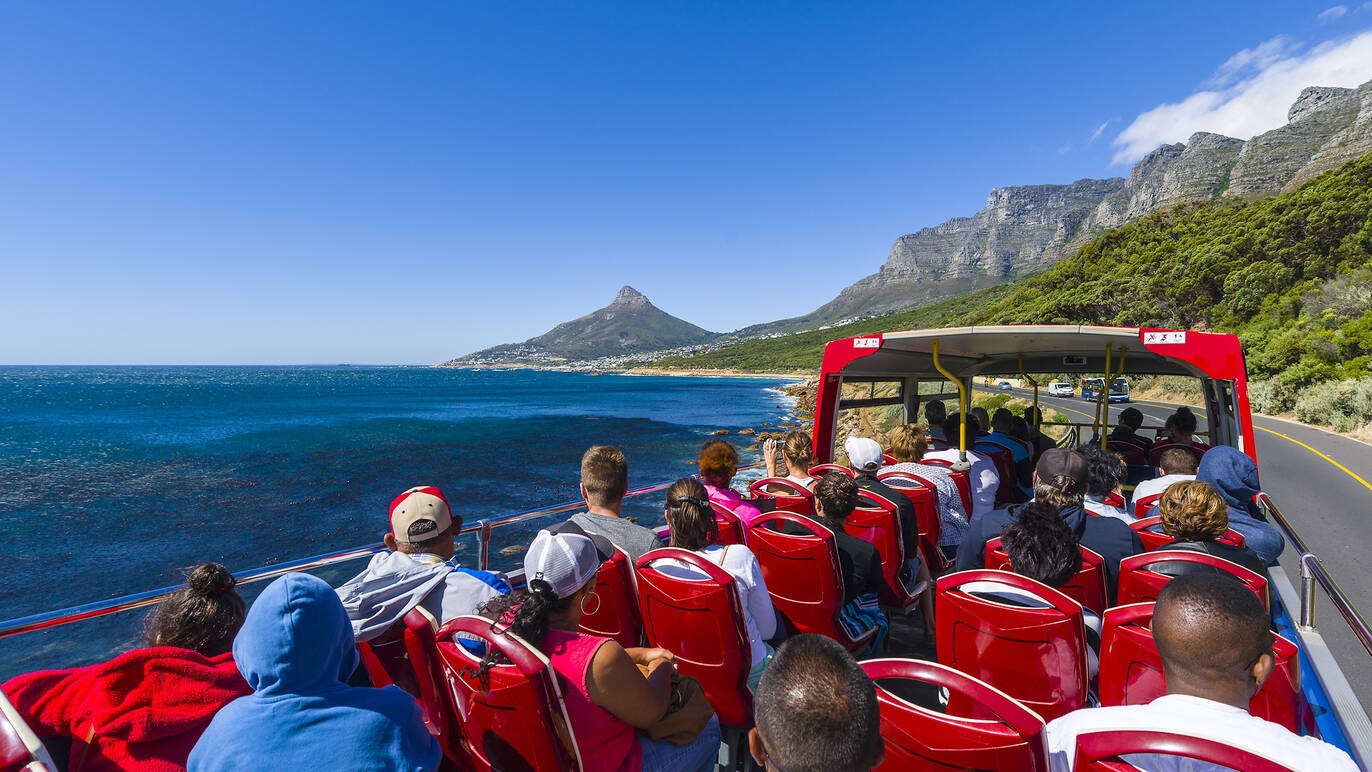
The global landscape of leisure, events, and tourism is undergoing a profound structural evolution. Between 2020 and 2030, these interconnected sectors are projected to double in size, triggering the creation of an estimated 75 million new jobs worldwide. However, the nature of these jobs and the competencies required to execute them have changed dramatically. The traditional, passive sightseeing itinerary is largely obsolete.
Today’s growth is aggressively fueled by the rise of experiential travel, international festivals, wellness tourism, and sustainable leisure experiences. For destination marketing organizations (DMOs) and hospitality brands, capturing this highly discerning, post-pandemic consumer requires a complete departure from transactional marketing. To win in this vibrant global economy, modern operators must shift their focus from promoting geographic coordinates to designing and managing high-impact, authentic consumer experiences.
1. The Psychology of the Modern Experience-Driven Traveler
The contemporary traveler no longer views a vacation merely as a break from labor; they view it as an investment in personal identity, wellness, and cultural capital. The market has shifted from a commodity-based economy to an experiential economy. Consumers are increasingly willing to pay a premium for activities that offer active participation, deep local immersion, and emotional resonance.
This behavioral shift manifests across several key verticals:
- Cultural and Festival Tourism: Travelers are purposefully organizing global itineraries around international festivals, sports events, and niche cultural gatherings rather than static landmarks.
- Holistic Wellness Tourism: Leisure choices are heavily influenced by the desire for psychological restoration, driving massive growth in eco-retreats, digital detox destinations, and wellness-focused hospitality packages.
- Sustainable and Ethical Exploration: The modern traveler heavily scrutinizes the social and environmental footprints of their destinations, choosing operators that can demonstrate genuine, profitable, and sustainable management practices.
2. From Promotion to Destination Architecture
Historically, destination marketing was synonymous with advertising: printing brochures, launching digital media campaigns, and showcasing aesthetic landscapes. In the experiential era, marketing management must merge directly with product design and operational quality.
Winning destination strategies require a multidimensional approach to ecosystem orchestration:
Strategic Co-Creation
Marketers can no longer operate in isolation from the actual infrastructure. Successful destination marketing involves building collaborative ecosystems that unite local artisans, hospitality providers, transport logistics, and tech-driven e-commerce frameworks. This cohesive approach ensures that the digital brand promise aligns flawlessly with the physical on-site delivery.
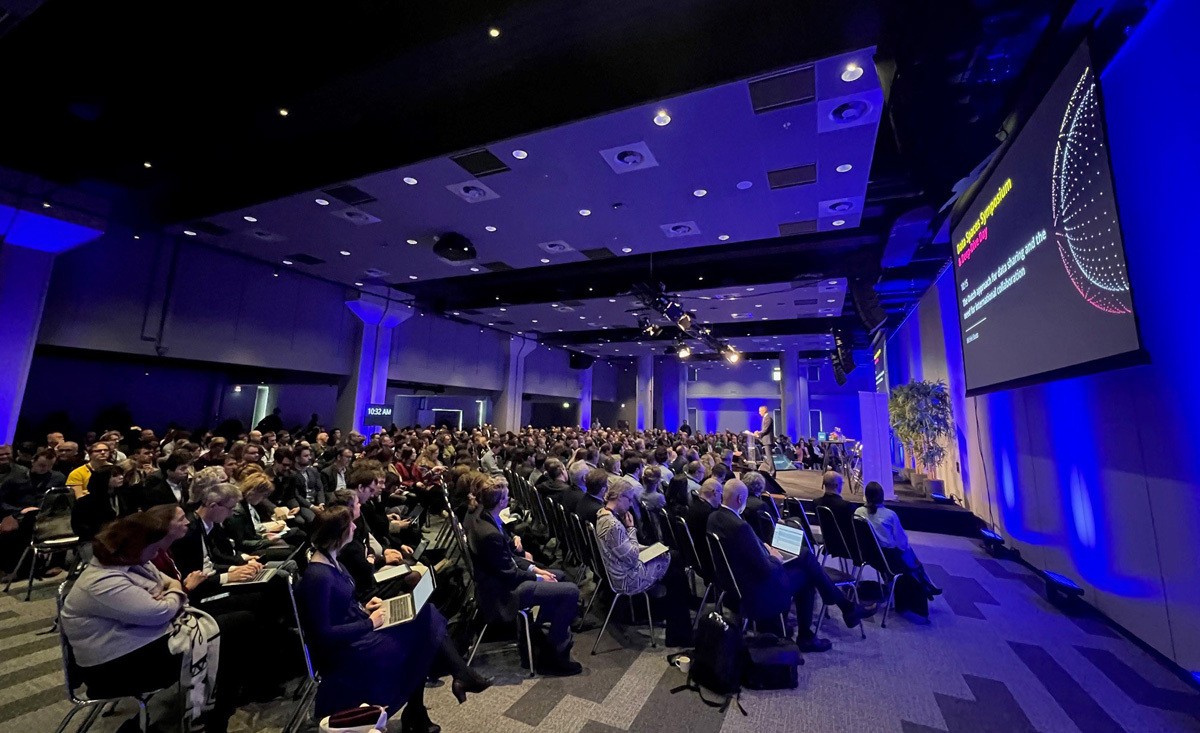
Narrative-Driven PR and Fundraising
Securing market share requires sophisticated public relations and targeted fundraising mechanisms to finance large-scale cultural or sports installations. Consumers want to connect with a story. DMOs must leverage data-driven insights to construct compelling narratives that position their destination as an absolute bucket-list necessity.
3. The Structural Framework for Experiential Marketing Management
Transitioning an organization from traditional tourism management to experiential architecture requires specific, strategic operational pillars:
Modern tourism and hospitality success depends on creating engaging visitor experiences, integrating seamless digital platforms, and maintaining strong quality and risk management practices. Together, these strategies enhance customer satisfaction, streamline operations, strengthen brand reputation, and drive sustainable business growth across the aviation, tourism, and hospitality sectors.
4. Why General Business Qualifications Fall Short
As the complexity of managing destination ecosystems intensifies, the corporate demand for highly specialized leadership has surged. General business degrees or broad marketing frameworks are no longer sufficient to navigate the intricate nuances of the modern leisure economy.
Leading a destination or organizing an international festival requires explicit mastery of specialized funding models, public relations strategies, sustainable event architecture, and localized quality controls. Industry professionals must upskill specifically to meet these evolving corporate expectations, ensuring they possess the targeted credibility needed to command senior executive roles within this booming global sector.
Elevate Your Global Marketing Career
Engineered purposefully for ambitious, working professionals, the MSc International Events, Leisure and Tourism Management awarded by London Metropolitan University offers an 18-month part-time learning framework that mirrors the identical curriculum taught on campus in London. Gain the global credibility, industry-experienced faculty insights, and advanced marketing toolkits required to position yourself at the absolute forefront of this thriving multi-billion-dollar industry without interrupting your current career trajectory.
Apply now – https://bit.ly/londonmet-applynow